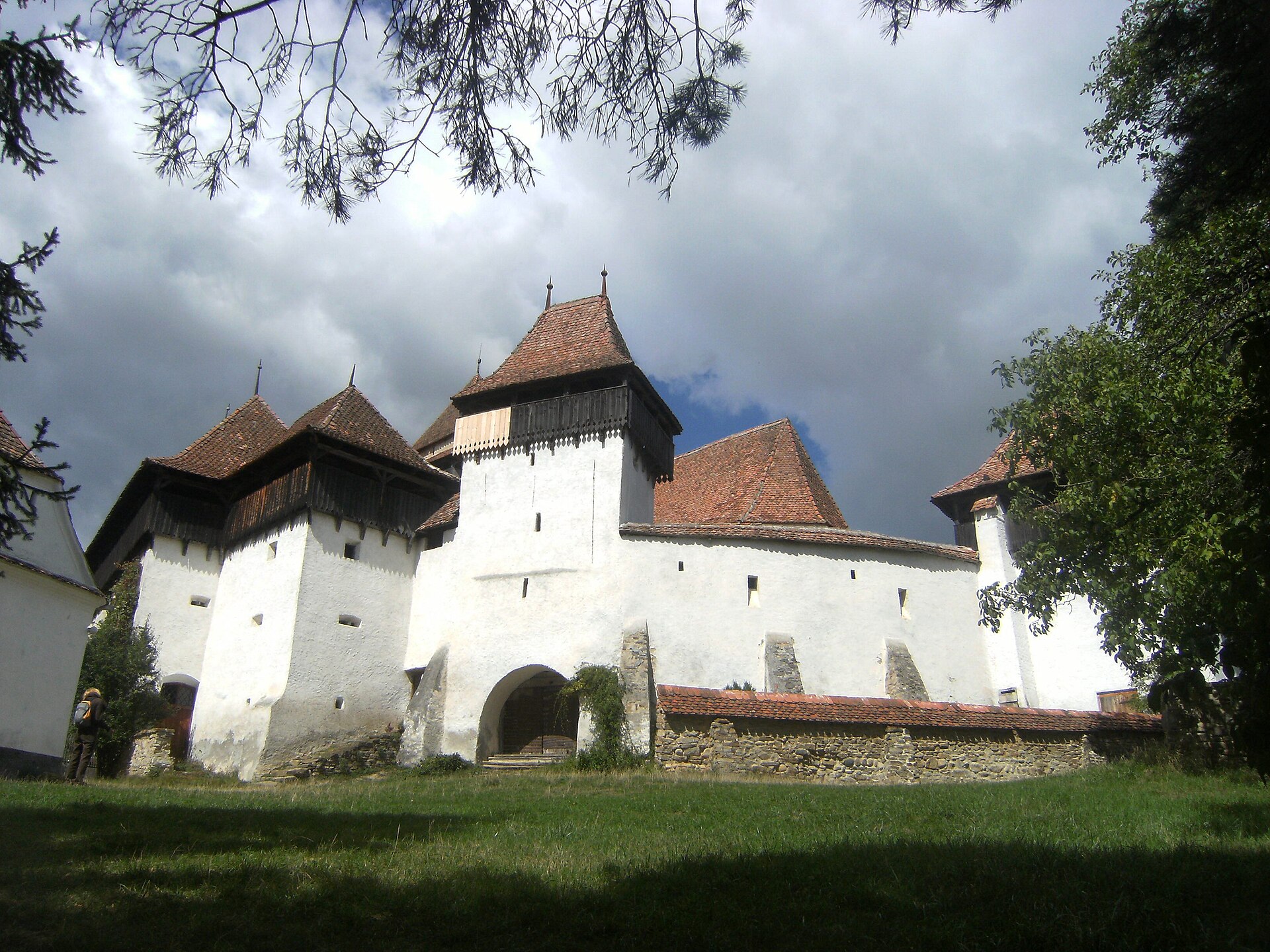
The land beyond the forest, taken at walking pace.
Transylvania — Siebenbürgen, Ardeal — is the high plateau inside the Carpathian arc: seven Saxon citadels, hundreds of fortified villages, hay meadows that look medieval because they still work medieval. It is not one place but a weave of cultures, and the best trips move slowly through it.
What the name carries
Seven citadels
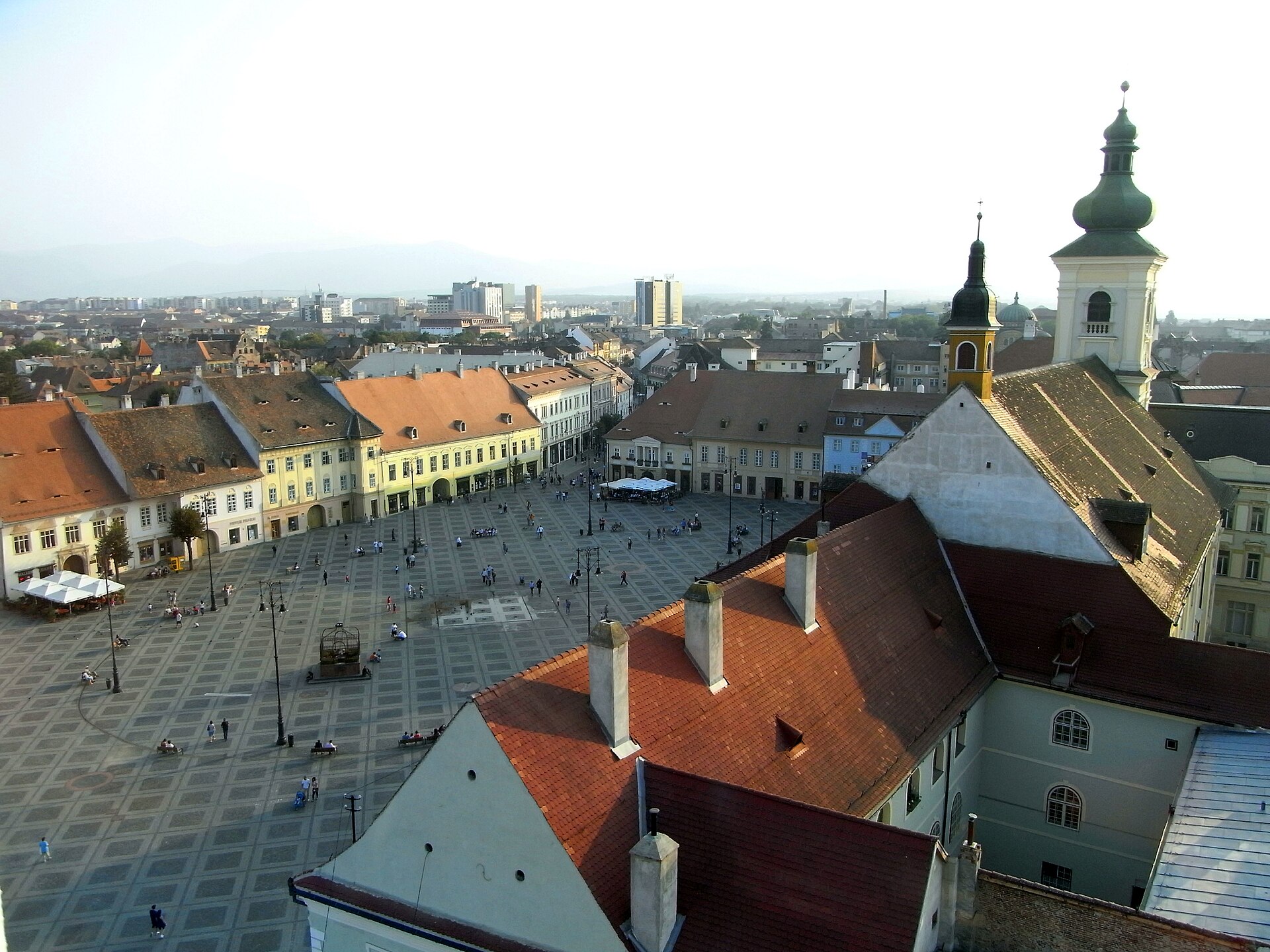
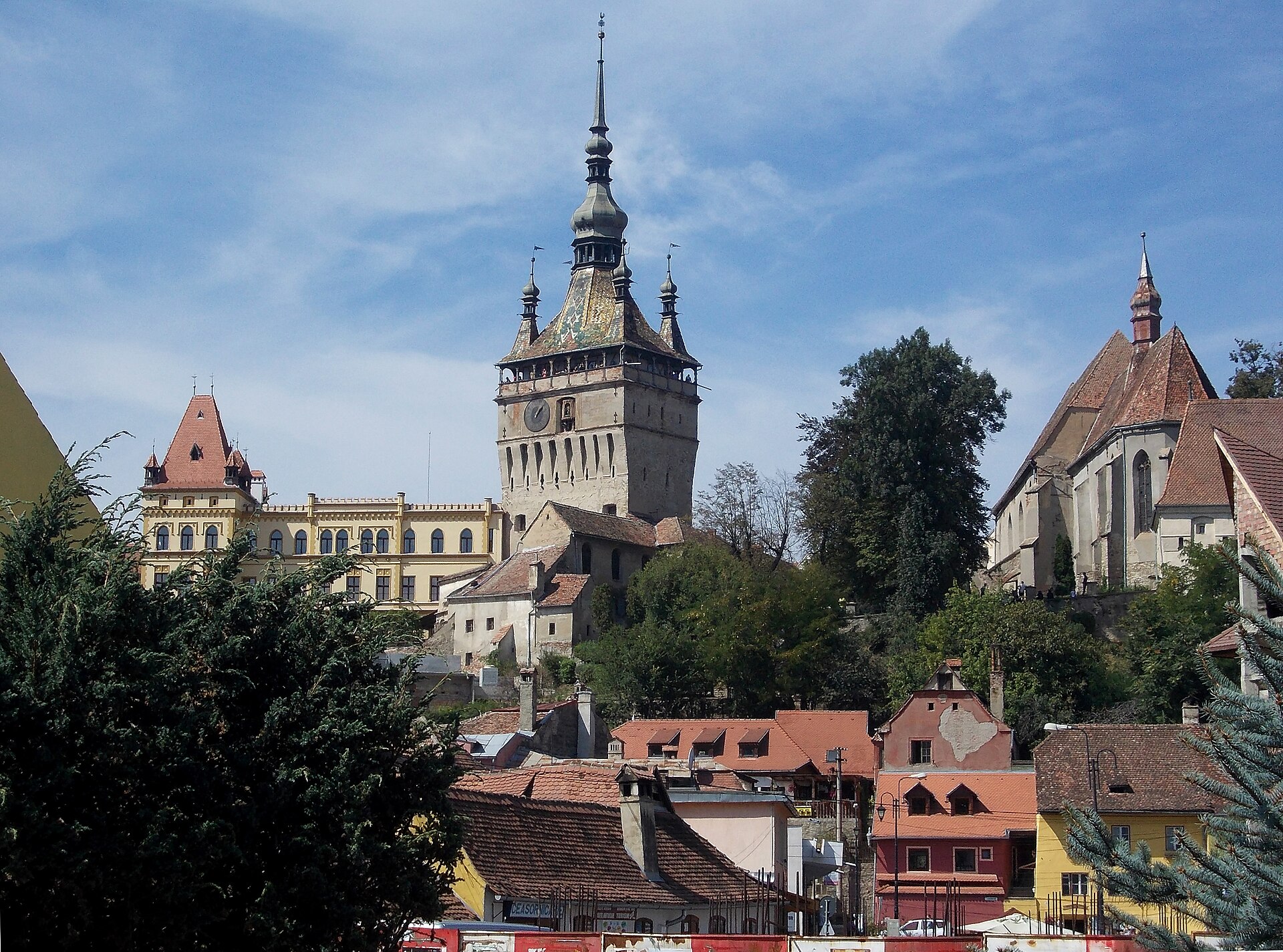
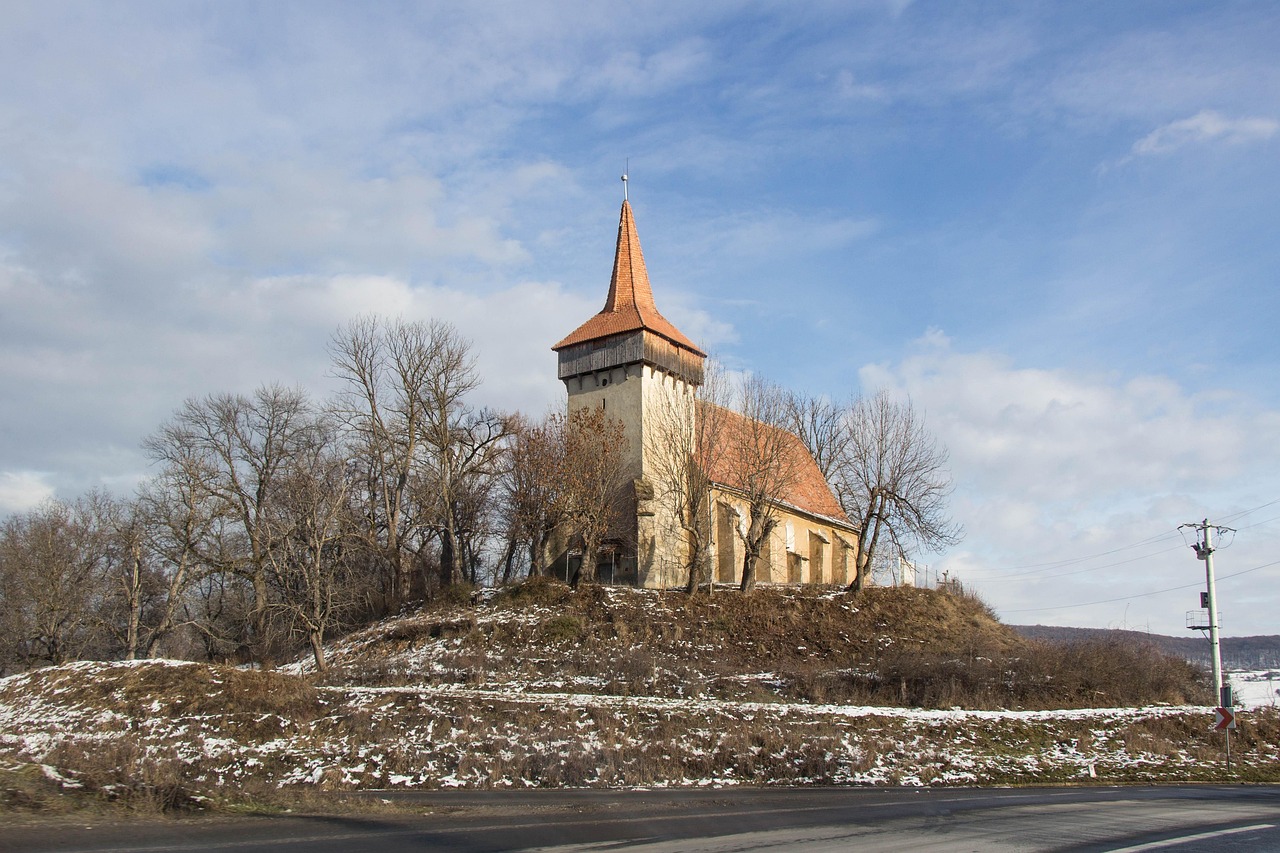
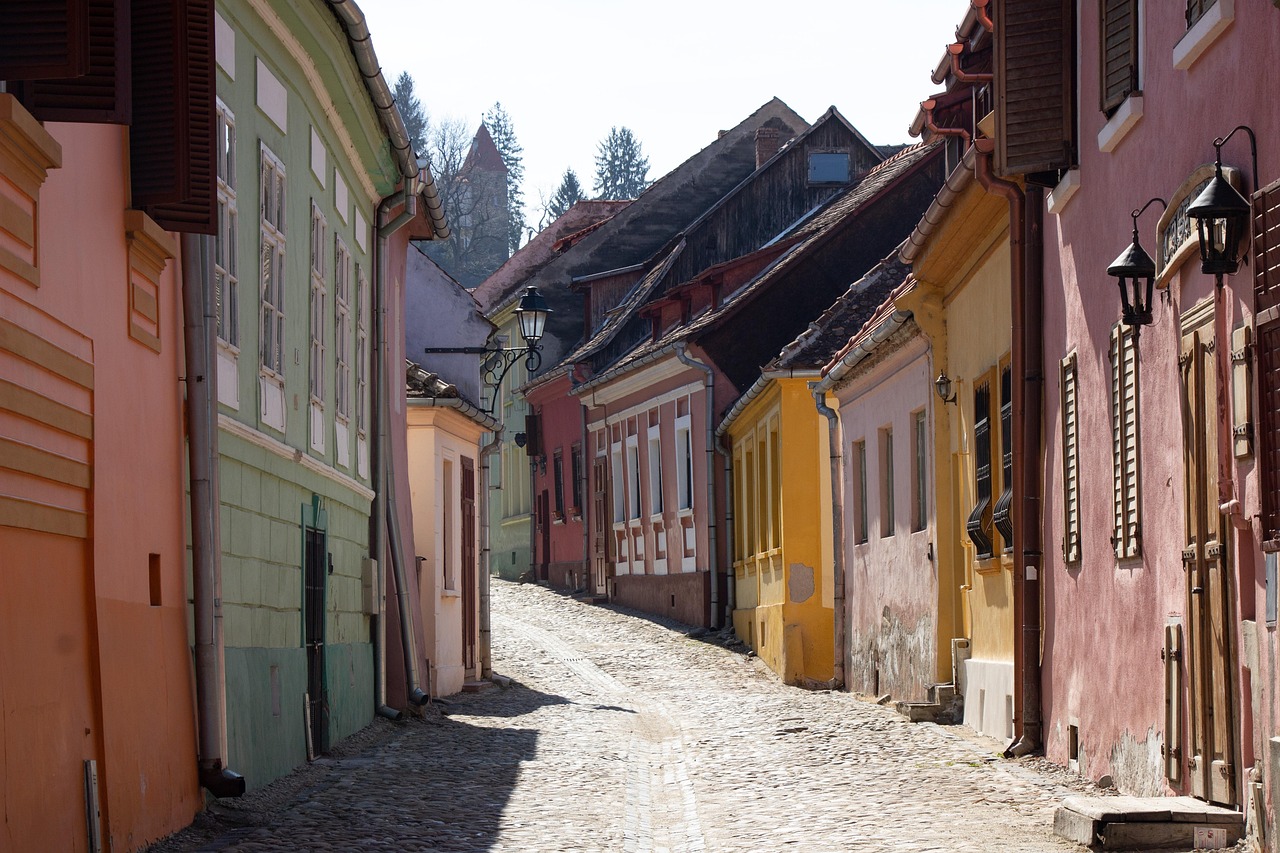
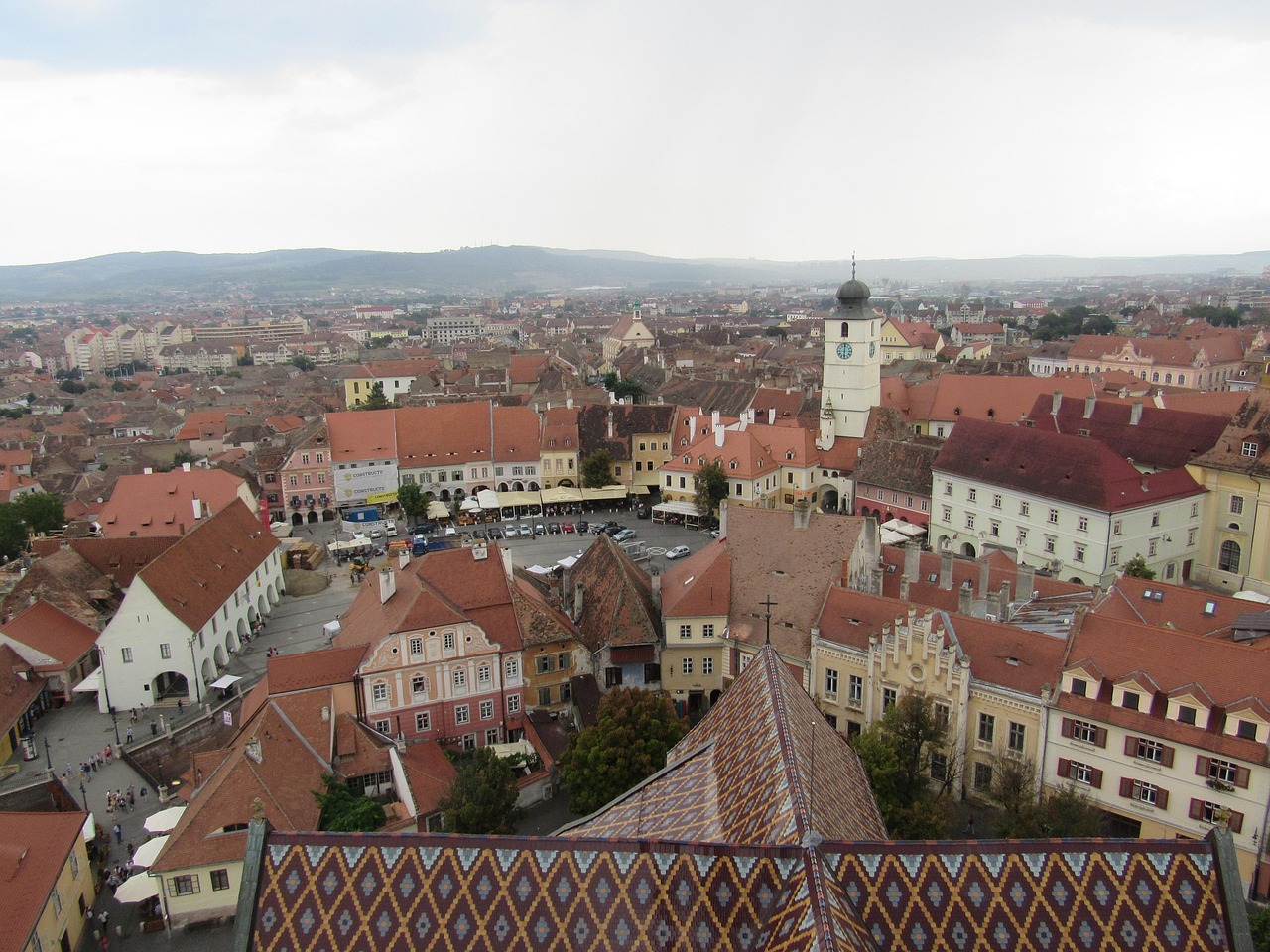
German settlers — the Transylvanian Saxons — were invited here in the 12th century and built the seven walled towns that gave Siebenbürgen its German name. Sibiu, Brașov and Sighișoara are the three you will fall for.
A crossroads, not a museum
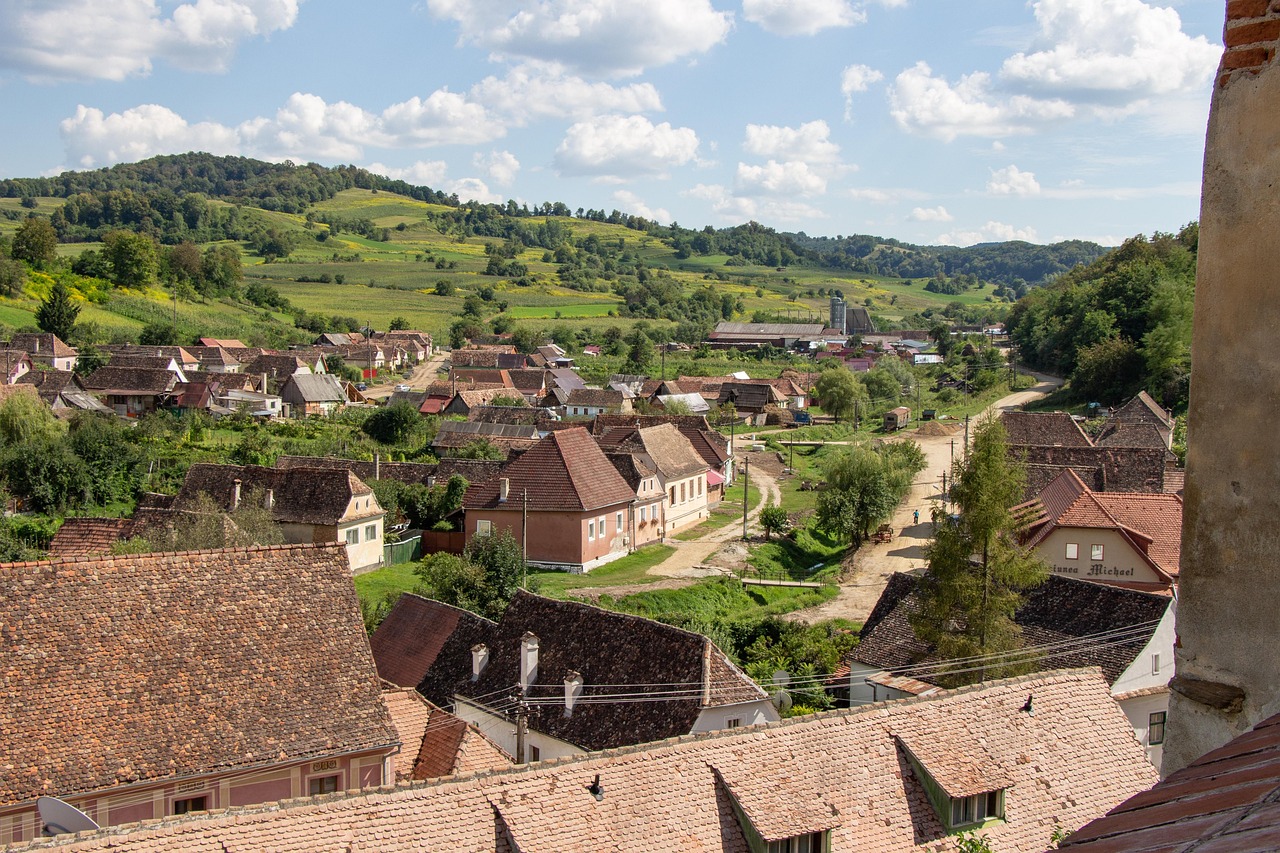
Romanians, Hungarians, Saxons, Szeklers and Roma have shared these valleys for eight centuries. The churches are fortified because armies passed through; the villages survived because neighbours held together.
Why it feels untouched
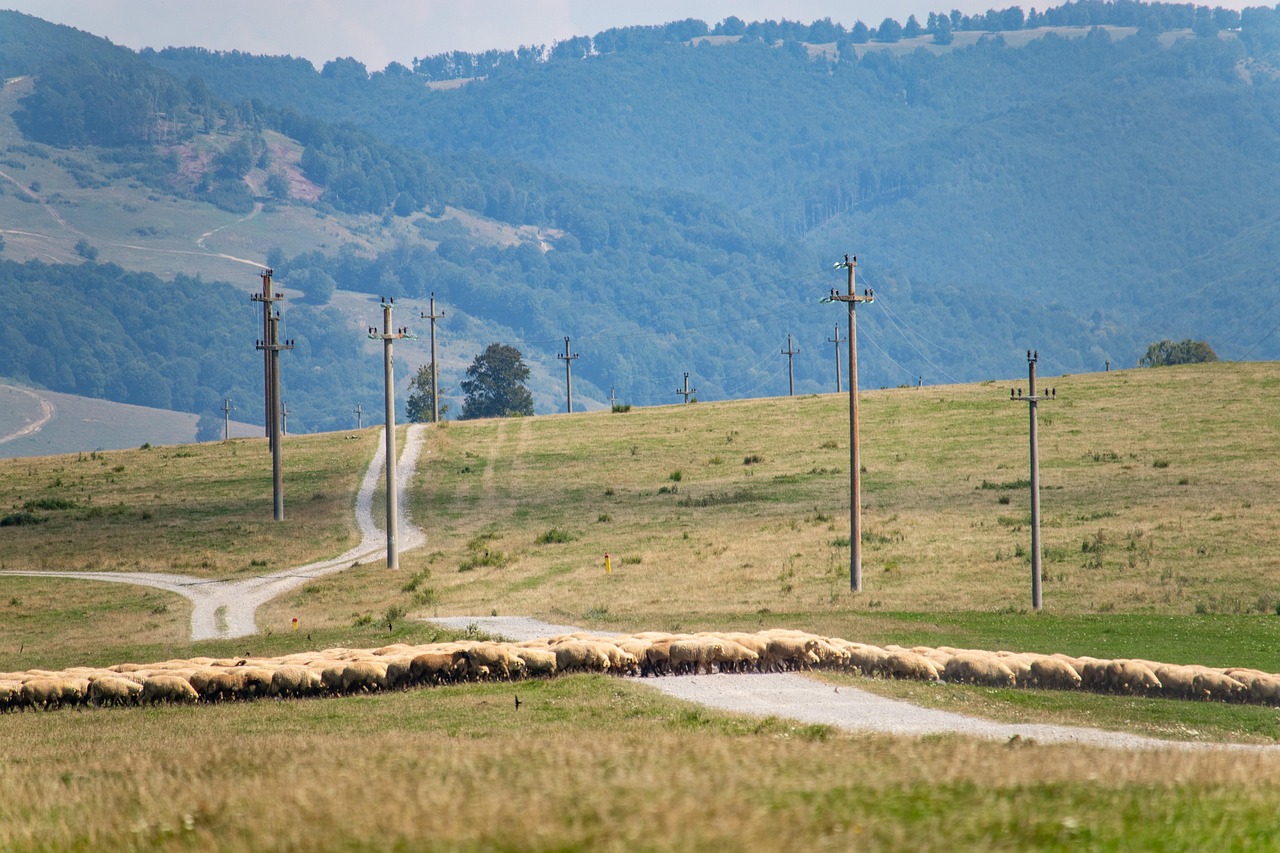
Collectivisation stopped at the hills and emigration emptied the villages before concrete could replace them. The result is Europe’s largest intact medieval landscape — wildflower meadows included.
The regions
Four of our regions lie inside historical Transylvania — each with its own houses, sights and stories.
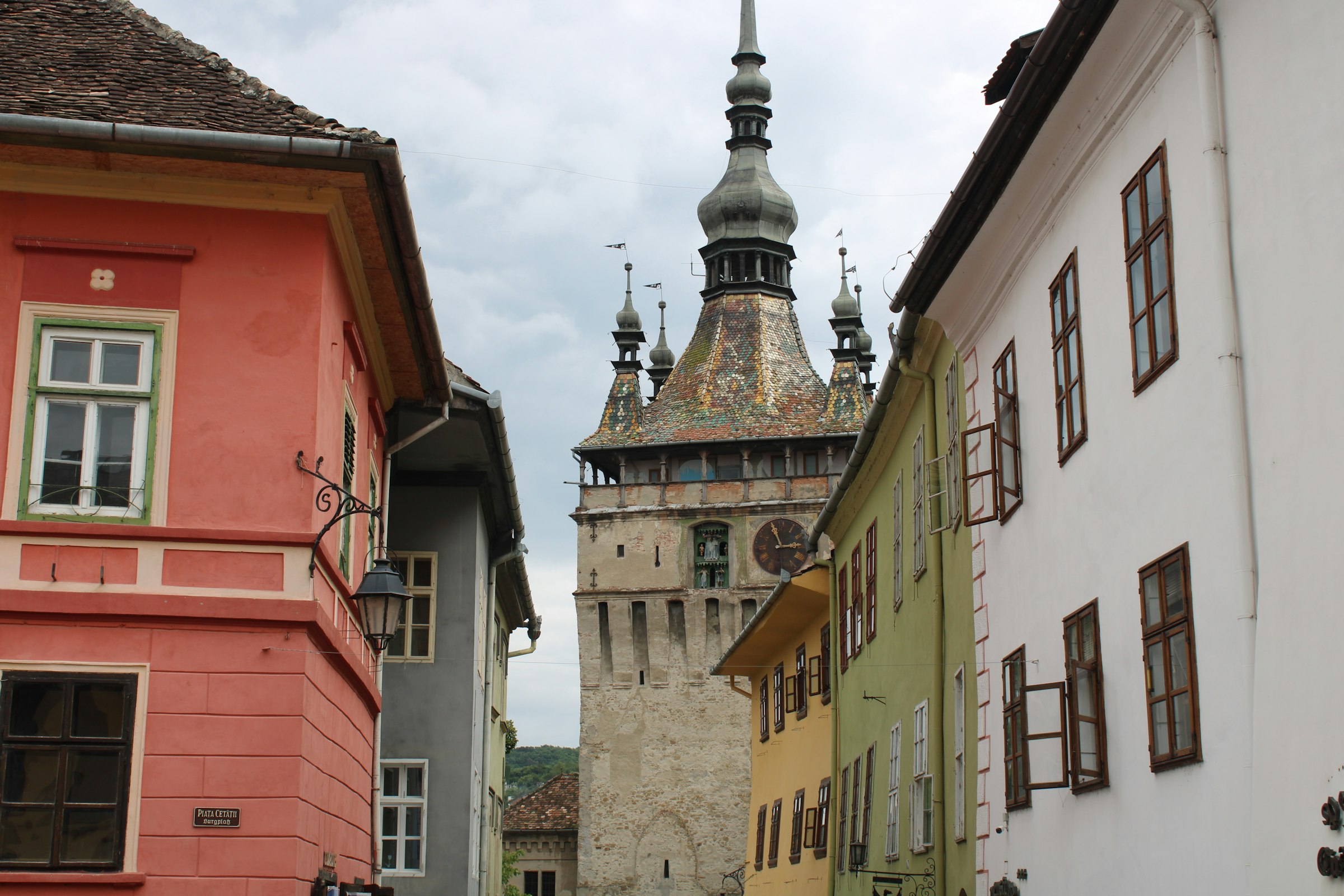
Sibiu, Sighișoara, and the seven Saxon villages between them — a quiet, fortified, slow-travel landscape.
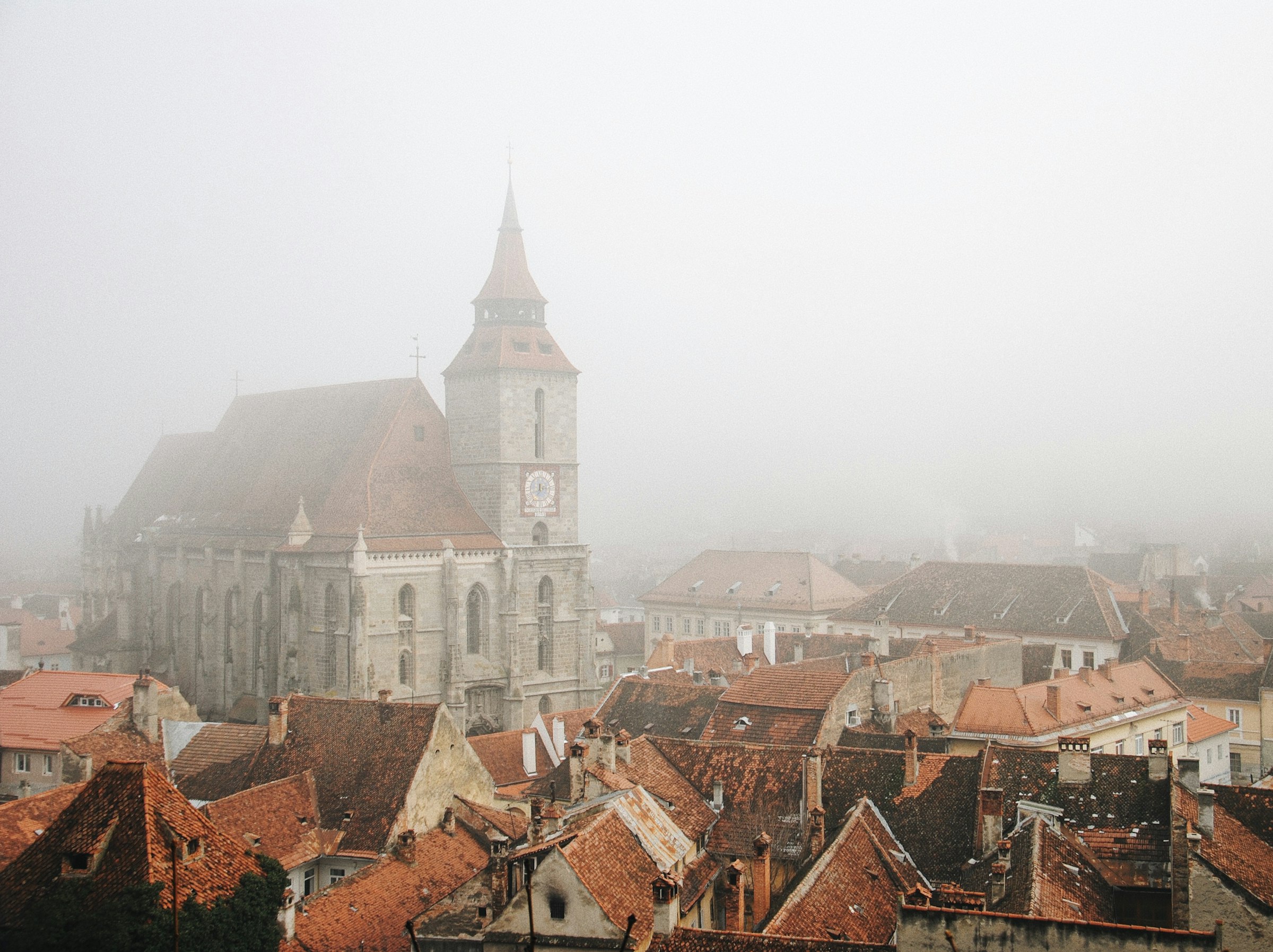
The old Saxon basin around Brașov — fortified churches, beech forests, and a mountain wall at the southern edge.
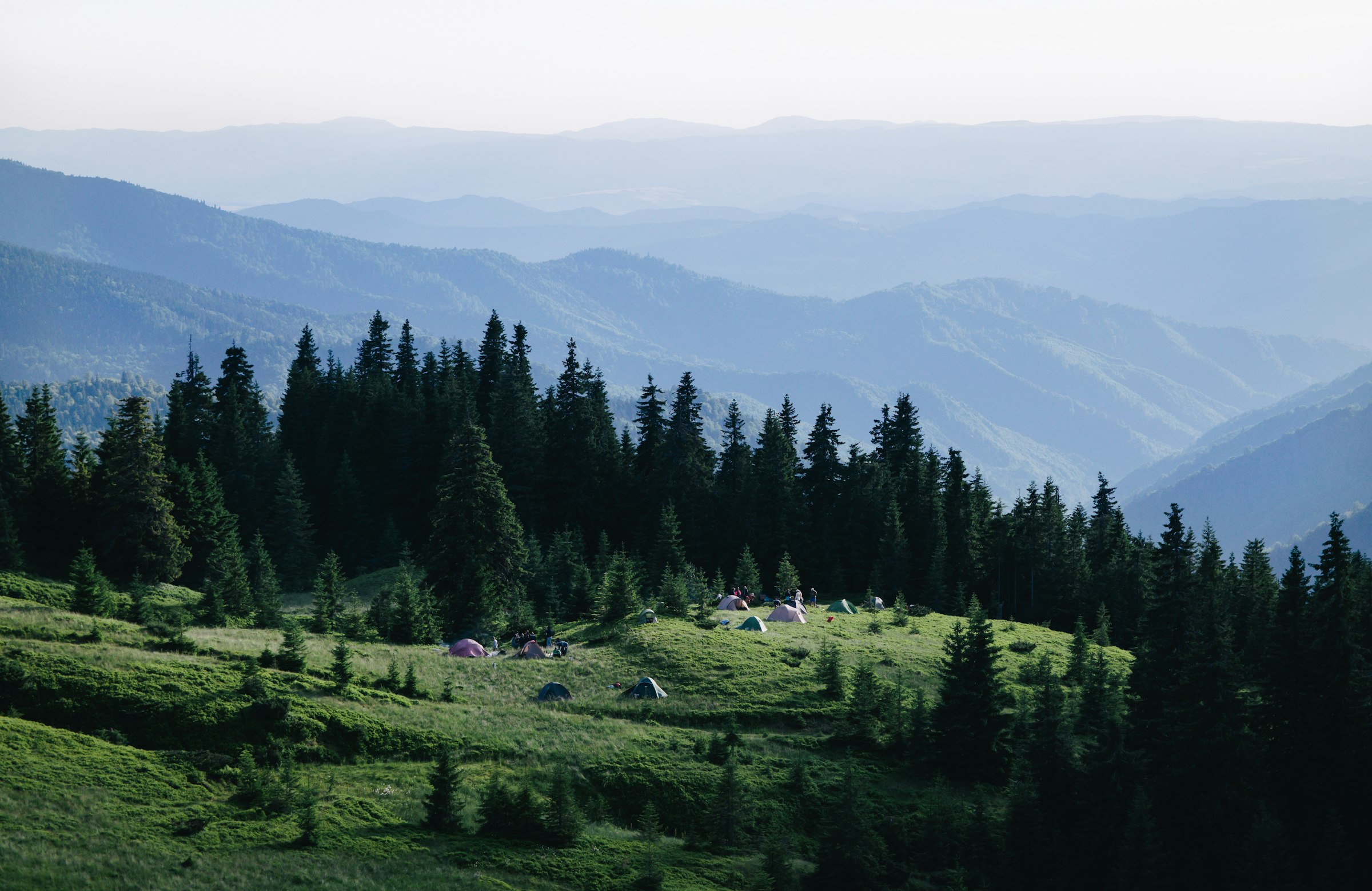
The western mountains — caves, ice, scattered hillside farms, and a quieter kind of Transylvania.
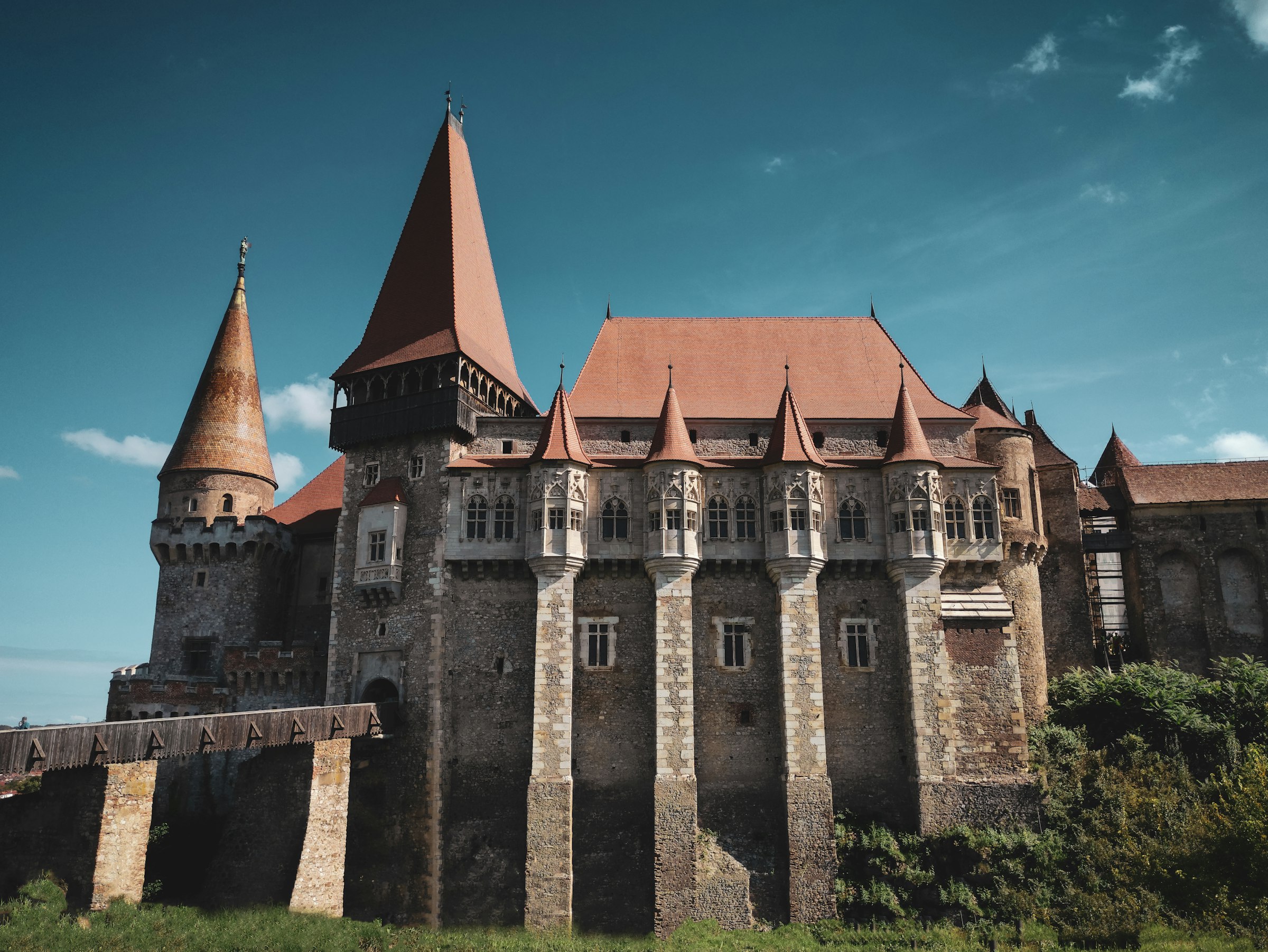
Corvin Castle, Roman ruins, and a country where dwarf dinosaurs once lived.
The cities
Base yourself in one, day-trip to the villages — or string them into a loop.
Frequently asked
- Is Transylvania the same as Romania?
- No — it is the north-western third, inside the Carpathian arc. Wallachia and Moldavia lie south and east; Maramureș and Bucovina are their own worlds just north.
- How many days does it need?
- A week gives you one city, four or five villages and a mountain day without hurrying. Two weeks lets you add the Apuseni and Hunedoara.
- Do people speak German?
- In the Saxon villages, often yes — many hosts still do, and road signs in Sibiu county are bilingual. English works everywhere with younger people.
Build your Transylvania
Pick the regions in the planner or start from the houses.