Transylvania beyond Dracula — villages, design stays, food and slow travel
Forget the cliché. The real Transylvania is warmer, quieter and far more beautiful than the legend.
Yes, Transylvania has castles, legends and dark forests.
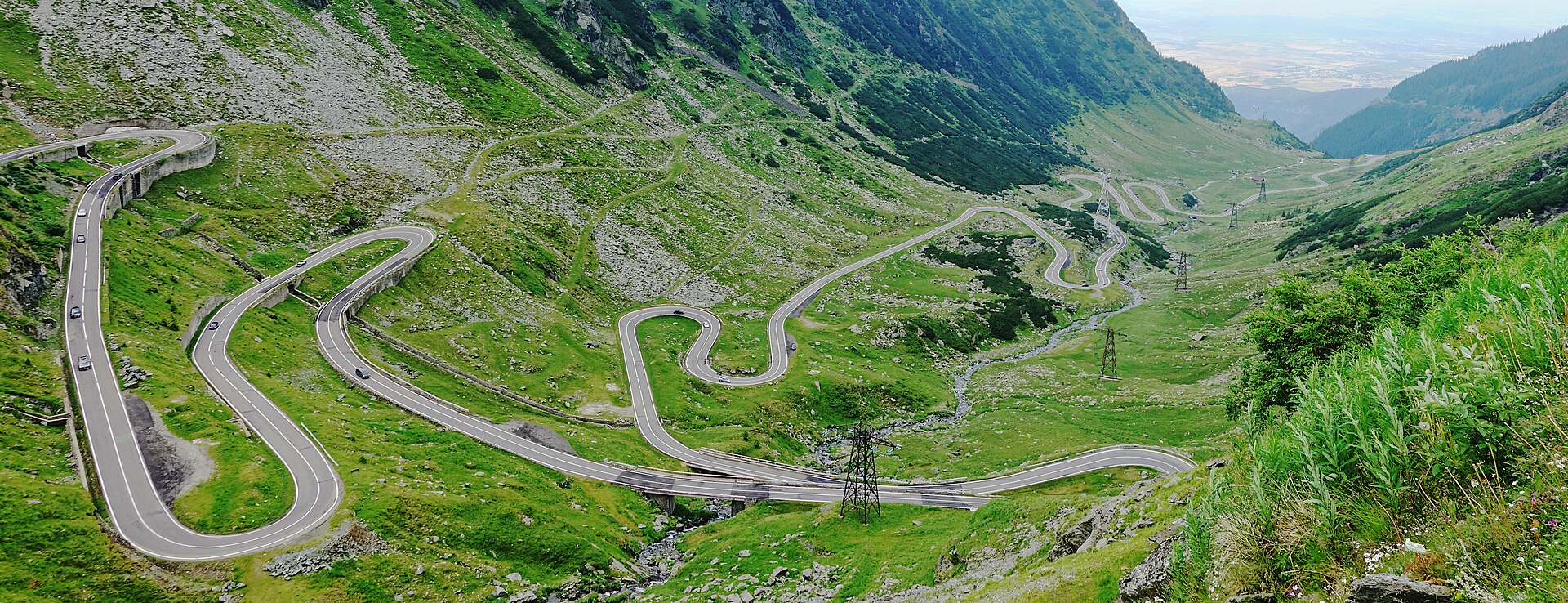
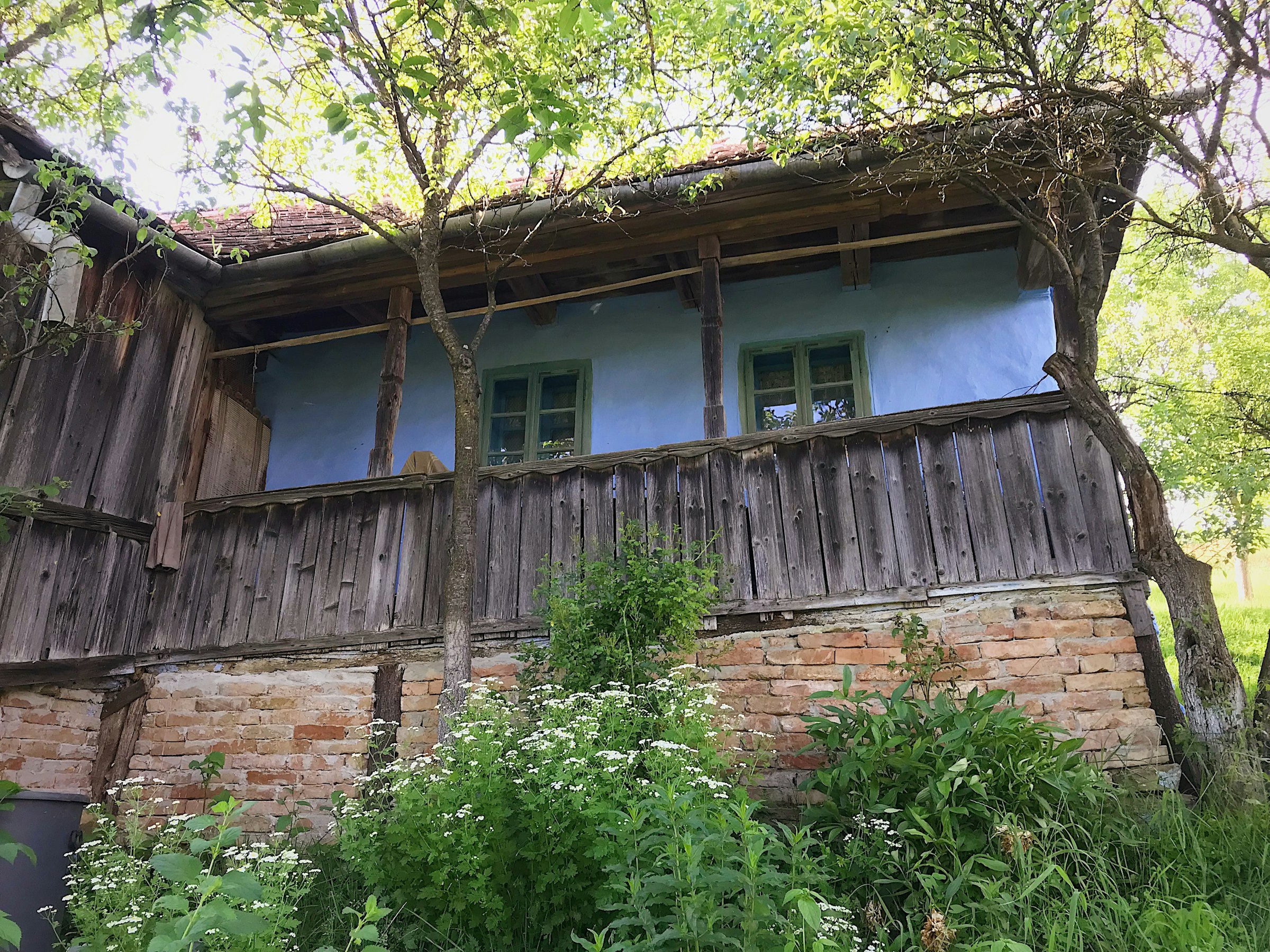
But the real Transylvania is not a horror story. It is a living cultural landscape of fortified churches, pastel villages, hay meadows, old orchards, mountain towns and guesthouses restored with patience.
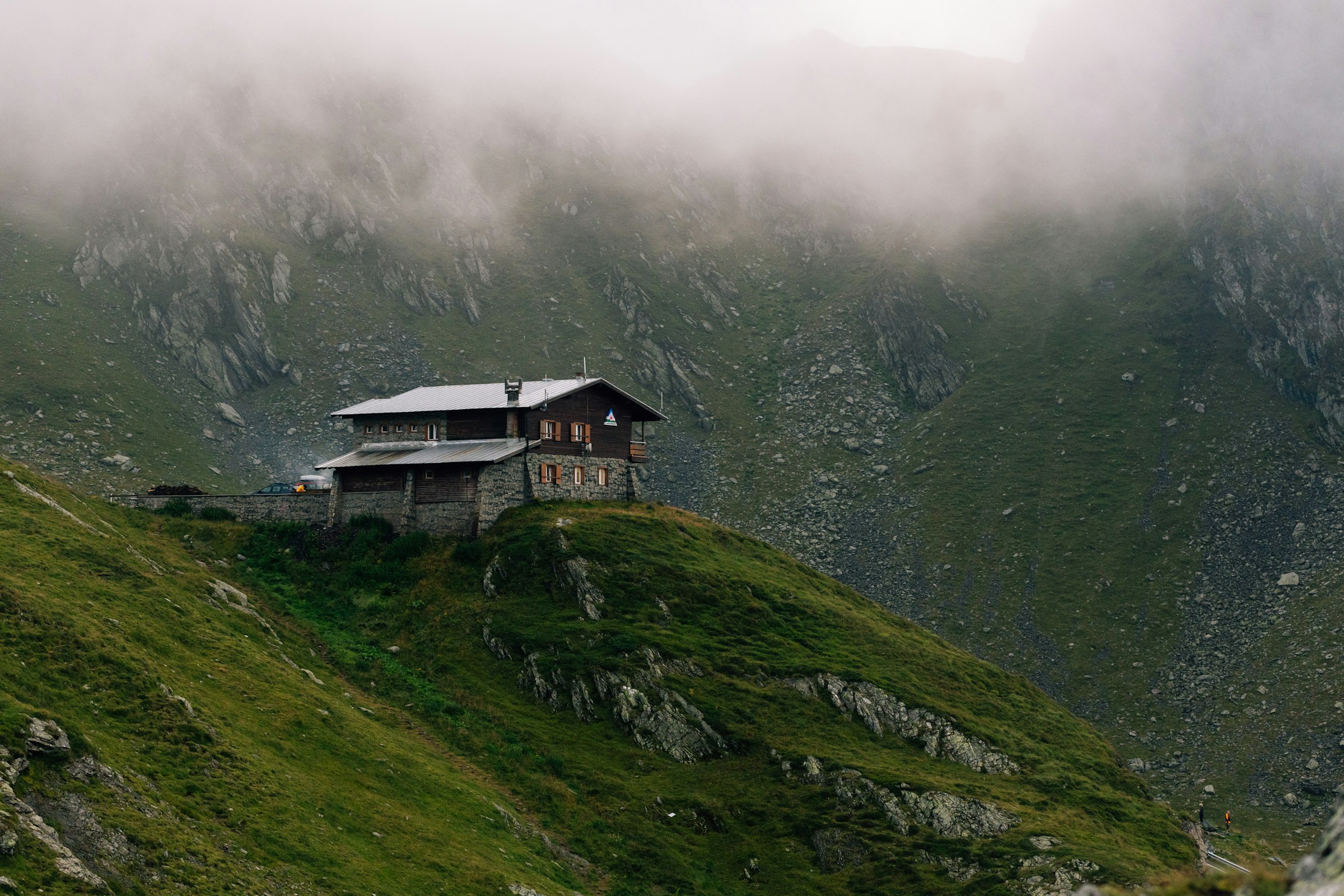
Here, the most memorable moments are often quiet: walking through Viscri before the day visitors arrive, hearing church bells in Biertan, eating dinner in a courtyard, watching fog move across the hills, or staying in a house where the original beams, tiles and doors have been kept instead of replaced.
Transylvania beyond Dracula is about depth. It is about the Saxon villages, the Carpathian edges, the food, the hosts, the crafts and the feeling that Europe still has places where time did not completely surrender to speed.
Saxon heritage
The seven UNESCO-listed Saxon villages — Biertan, Câlnic, Dârjiu, Prejmer, Saschiz, Valea Viilor and Viscri — are not museums. They are working villages where Lutheran services are still held in German, where the lime ovens still burn, where the orchards are still tended.
The fortified churches are the visible landmarks. But the real culture lives in the gates, the courtyards, the way the houses turn their narrow ends to the street like a tight Saxon row.
Slow villages
Viscri at dawn, before any car has reached the village. Mălâncrav after lunch, when the orchard is the only sound. Cloașterf on a Sunday morning when the priest is unlocking the church and the geese are crossing the road.
These are the moments. Not the bus tours, not the souvenir stalls.
Design guesthouses
A new generation of restorations — by architects from Bucharest, Cluj and Vienna who came back — has produced some of the most quietly accomplished interiors in central Europe. Bulthaup kitchens inside 17th-century barns. Triple-glazed larch walls facing the Piatra Craiului ridge. Restored painted ceilings from 1690 above contemporary beds.
We have a thematic Collection for these — see Architectural Gems and Design Lover.
Food
Transylvania is finally producing a serious food scene. Crama Sibiul Vechi in Sibiu. Cofetăria Mara in Brașov. The chef-on-request dinners at Conacul Borșa above Cluj. Pavel's cheese mornings in Sibiel. Anca's six-course tasting menus.
Forests and bears
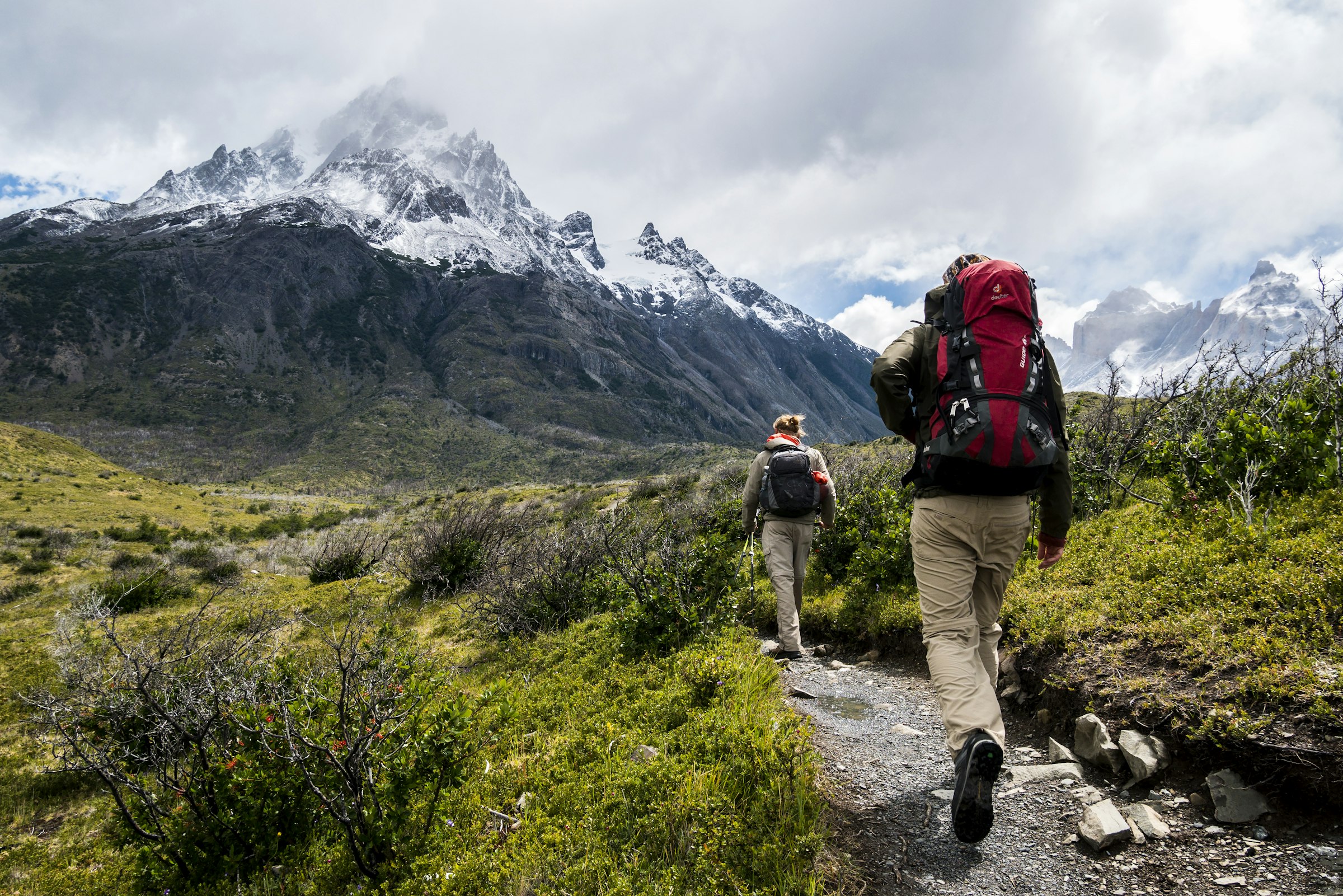
Romania has roughly 6,000 brown bears — half of Europe's population — mostly in the Carpathians. The Foundation Conservation Carpathia is buying up logging concessions to create a Yellowstone-sized rewilding park in the Făgăraș. Bear-hides near Zărnești let you watch them at dawn or dusk, ethically.
A three-day route
Day 1. Arrive in Sibiu. Two nights at Kuria Magna, breakfast included. Day 2. Sibiel for the icon museum and a cheese morning. Drive through Mărginimea villages. Day 3. North via Mediaș to Sighișoara. Climb the Clock Tower at sunset. Drive home through Saschiz and Viscri.
This is Transylvania beyond Dracula. It is the one locals love.